
Nigeria's Opposition Accuses Tinubu of 'Weaponising' EFCC, ICPC Against Defectors
Credit:
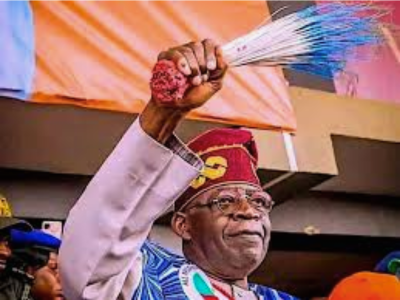
Nigeria’s opposition parties and civil society groups have accused President Bola Tinubu’s administration of turning the country’s anti-corruption agencies into political weapons, alleging that the Economic and Financial Crimes Commission (EFCC), the Independent Corrupt Practices Commission (ICPC), and the police are being deployed to coerce governors and politicians into defecting to the ruling All Progressives Congress (APC).
In a joint statement released Monday, the coalition—comprising PDP stalwarts, Labour Party figures, and activists—claimed that probes and arrests of non-APC politicians are being timed to coincide with defections, creating what they described as a “climate of fear” that forces alignment with the ruling party. They cited recent cases of former ministers and governors suddenly facing EFCC scrutiny shortly before or after switching parties, arguing that such patterns amount to selective justice.
The group demanded sweeping reforms, including parliamentary confirmation of EFCC and ICPC leadership to guarantee independence, broad non-partisan probes into alleged corruption spanning 2015 to 2025 across all administrations, and the establishment of independent oversight mechanisms for anti-graft spending and operations.
The presidency swiftly rejected the accusations. Presidential spokesperson Bayo Onanuga dismissed them as “baseless propaganda from a failed opposition desperate to avoid accountability,” insisting that defections are voluntary political choices and that agencies operate autonomously under the law.
Informed observers note that allegations of selectivity are not new. Successive governments have faced criticism for shielding ruling party allies while targeting opponents, a perception that has long undermined public trust in Nigeria’s anti-graft institutions. The current row comes amid a wave of APC gains from PDP defections, including governors in Rivers, Bayelsa, and Taraba intensifying speculation ahead of the 2027 elections.
Rights groups such as SERAP have urged genuine reforms to depoliticise the institutions, warning that without structural independence, anti-corruption bodies risk becoming tools of political survival rather than guardians of accountability.
The clash underscores a familiar tension in Nigerian politics: the struggle to balance the fight against corruption with the credibility of institutions often accused of serving partisan ends. As defections reshape the political landscape, the debate over whether anti-graft agencies are impartial or weaponised is likely to remain central to Nigeria’s democratic discourse.









0 Comment(s)